

Less repetitive work
Software handles repeatable steps so people can focus on exceptions and customer-facing work.
Reduce repetitive work with custom automation software built around your process. Connect business systems, streamline approvals and give your team practical internal tools, with clear rules for exceptions and human oversight.
For small businesses repeatedly copying data, chasing approvals or outgrowing disconnected spreadsheets. Our business process automation services begin with the people, rules and exceptions behind the work before choosing software.
Staff repeat the same manual steps across spreadsheets, email and disconnected tools.
Information is copied between systems, creating delays and avoidable errors.
Important handoffs depend on one person remembering what happens next.
Off-the-shelf software forces the business into a workflow that does not fit how the team actually works.
Reliable workflows that reduce duplicate entry, make handoffs visible and help information move between your existing tools. Start with one measurable process, then expand what works.
We do not use fake guarantees. These are practical signals the work is designed to improve.
Software handles repeatable steps so people can focus on exceptions and customer-facing work.
Connected systems reduce unnecessary re-entry and make information easier to follow.
Business rules and handoffs become more consistent instead of relying on memory.
The solution is organized around a documented process that can evolve as the business changes.
The exact mix depends on your starting point. We recommend only the capabilities that support the goal.
Reduce repetitive tasks
Improve process consistency
Connect systems that should work together
Create software around actual business needs
You should always understand what we are doing, why it matters and what needs to happen next.
Map the current process, users, systems, bottlenecks and business rules.
Prioritize the smallest automation or software scope that creates meaningful operational value.
Build and connect the workflow in testable stages with clear ownership of data and access.
Document, monitor and improve the solution as the real process evolves.
Start with one service when that is enough. Connect another only when it removes a real gap in the customer journey or operation.
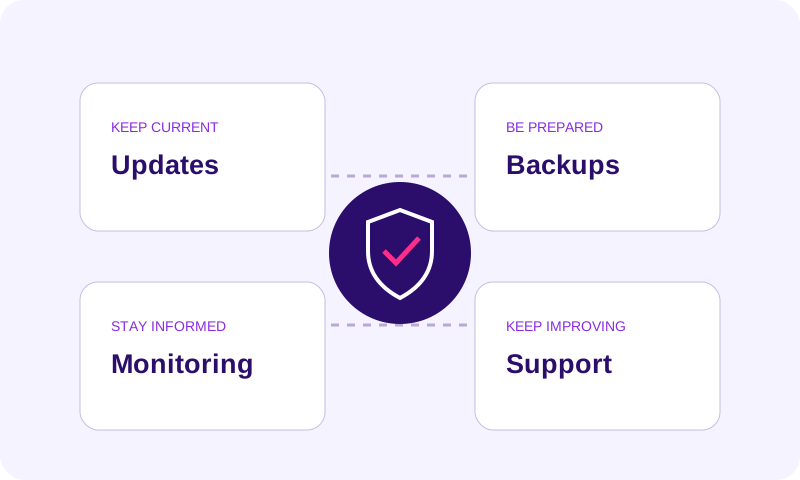
Get practical cloud support and maintenance for the hosting, cloud services and business systems behind your website and operations. We review your setup, define responsibilities and support windows, and shape a right-sized support plan for a small business.
Make digital experiences clearer, easier and more persuasive.
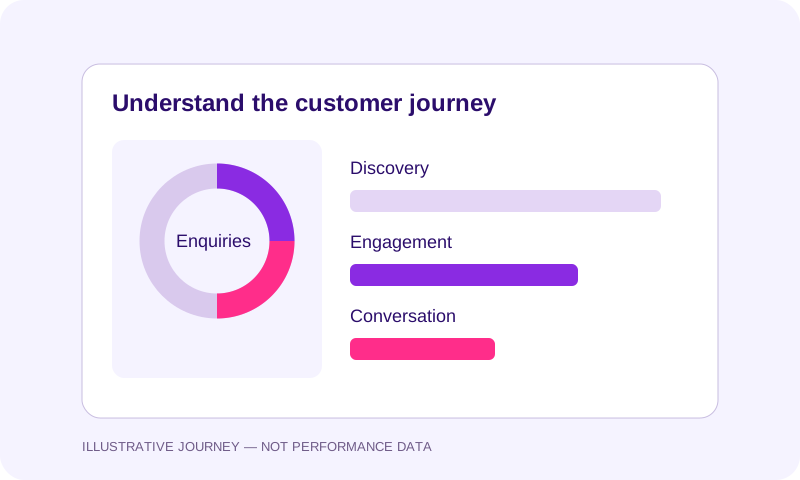
Make better business and marketing decisions with data analytics services for small businesses. We combine GA4, website analytics and conversion tracking with practical data analysis, dashboards and reporting, so you can understand enquiry and sales performance, compare marketing channels and decide what to improve next.
Straightforward answers so you can decide whether Build Awesome is the right fit.
Not always. We first look for a simpler configuration or integration approach. Custom development is useful when existing tools cannot support the required workflow well.
Yes when supported APIs or reliable integration methods are available. We confirm technical feasibility before committing to scope.
Choose a frequent, well-understood process with clear rules: enquiry assignment, quote approvals, status updates or recurring report preparation. We map the current steps and measure time, delays or rework before recommending a pilot. Processes that need judgment can retain a human approval step rather than being automated end to end.
Failure handling belongs in the scope from the beginning. Depending on the workflow, this may include validation, safe retries, duplicate prevention, an error log and an alert to a responsible person. We test exception paths and document a manual recovery process so a failed connection does not silently lose important work.
Yes. Systems integration can reduce repetitive exports and make agreed data available for reporting. Define the business question and metric first; our Analytics & Tracking service helps validate measurement and interpret results. Automation moves information, while analysis explains what the information means.
We scope the workflow, connected platforms, data rules, user roles and acceptance criteria before estimating. The proposal should identify third-party subscriptions, access and ownership arrangements, documentation, rollout and ongoing support. API changes and evolving processes may require maintenance, which is agreed separately from the initial build.
Yes. Start with our guide to choosing your first workflow to automate. It explains practical checks and the information that helps us define a useful project scope.
Tell us what you want to improve, what is getting in the way today and what a better result would look like. We will recommend the most practical next step.
Share the essentials now. We will review your goals and project context before recommending the clearest next step.
Thank you. We saved your enquiry and will review your goals and project details before responding.